


SPECIALIST CARE · SOUTH WEST SYDNEY
Melanoma surgery in South West Sydney
Clear information about melanoma assessment, surgery and follow-up—so you can discuss the next step with your treating team.
UNDERSTANDING YOUR CARE
Start with a clear assessment.
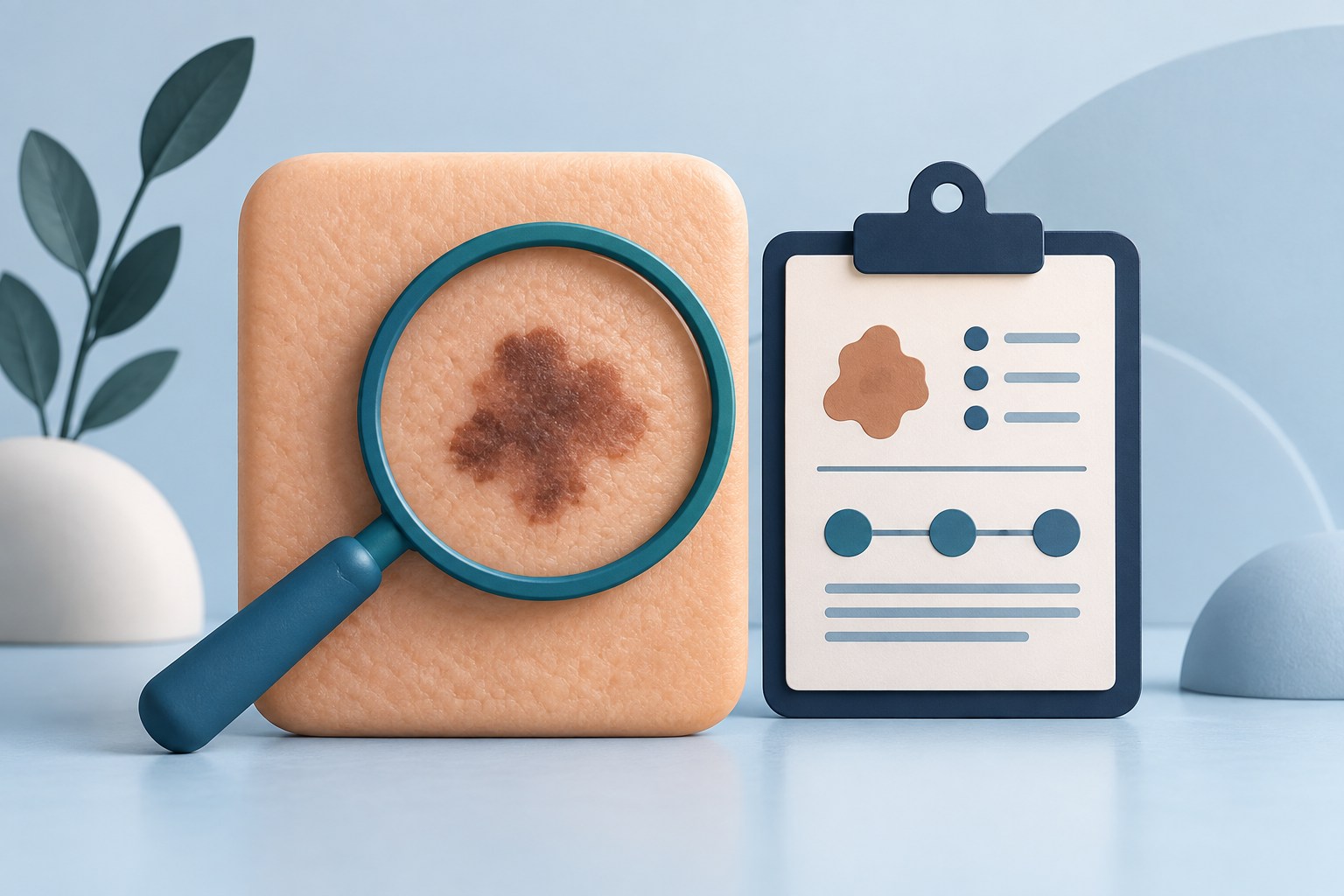
Melanoma is a skin cancer that begins in pigment-producing cells called melanocytes. It can develop anywhere on the body, including areas that receive little sun. A new or changing spot should be assessed by a qualified health professional; appearance alone cannot confirm or rule out melanoma.
If a biopsy has confirmed melanoma, the pathology report and your individual circumstances help guide whether further surgery or other assessment is appropriate. Your treating team can explain the options and coordinate care when needed.

BEFORE YOUR VISIT
Bring the details that matter.
- Your referral and pathology or biopsy reports
- Previous skin check or biopsy details
- Your current medicines, allergies and relevant medical history
- Your questions and practical concerns
Ask the team how to provide medical documents securely. Please keep online enquiries brief.
NOTICE A CHANGE
Know what is changing on your skin.
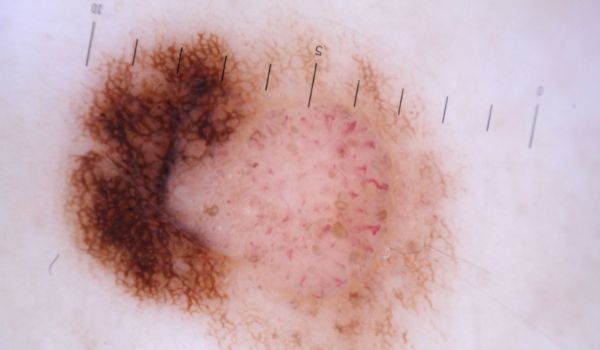
Melanoma may appear as a new spot or as a change in an existing mole. Signs worth getting checked include asymmetry, an irregular edge, varied colour, change in size or shape, or a spot that is evolving, itchy or bleeding. Some melanomas do not match these patterns, so a checklist cannot diagnose or exclude cancer.
Check all areas of your skin, including the scalp, palms, soles and between the toes. If you notice a new, changing, unusual or non-healing spot, arrange a medical assessment promptly. If you are concerned about a rapidly changing or bleeding lesion, contact a health professional for advice.
ASSESSMENT
How melanoma is confirmed.
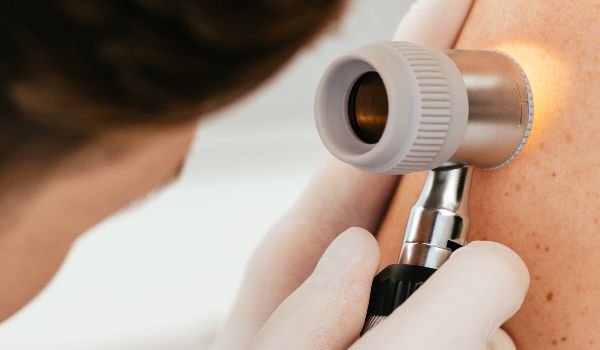
A clinician examines the spot and may recommend a biopsy. A pathologist examines the tissue and reports whether melanoma is present and relevant features. Further tests are considered when indicated by the findings and clinical assessment.
Bring any biopsy or pathology results to your appointment. Do not delay assessment while comparing a spot with online photographs.
TREATMENT PLANNING
The decisions to discuss.
01
Review your pathology
Your pathology report may describe tumour thickness (Breslow thickness) and ulceration. These findings, together with examination and other clinical information, help the team assess the melanoma.
02
Plan a wider excision
A wide local excision removes additional skin around the biopsy site. The margin and depth are guided by the melanoma findings, location and current clinical recommendations; there is no single margin that applies to every person.
03
Consider further assessment
A sentinel lymph node biopsy may be discussed for some melanomas to help with staging. It is not suitable or necessary for everyone. If melanoma is more advanced, a multidisciplinary team may discuss options such as medicines, radiotherapy or surgery based on the individual case.
AFTER YOUR PROCEDURE
Recovery is individual.
Recovery depends on the size and location of the excision and how the wound is repaired. Your surgeon will give instructions for wound care, activity and review of the pathology results. Ask who will coordinate follow-up skin checks and what changes should prompt another review.
Discuss risks before deciding.
Possible risks vary with the procedure and may include bleeding, infection, wound-healing problems, scarring, altered sensation or a need for further treatment. Your surgeon can explain the risks that apply to you, including any functional or reconstructive considerations.
Ask which warning signs require prompt contact with your surgical team, and how to reach them after hours.
MAKE SPACE FOR YOUR QUESTIONS
Take these questions to your consultation.
- What do the findings in my pathology report mean?
- What excision margin is recommended and why?
- Should sentinel lymph node biopsy be considered?
- Who will arrange my ongoing melanoma follow-up?
Why might I need more surgery after a biopsy?
The initial biopsy may confirm the diagnosis and provide information used to plan care. A further excision may be recommended to remove an appropriate margin around the biopsy site.
Does everyone need lymph node surgery?
No. It is considered for selected patients after reviewing melanoma features and overall circumstances. Your team can explain likely benefits, limitations and risks.
Can I diagnose melanoma using a checklist or photograph?
No. Warning signs and online images are not diagnostic. A health professional can assess a spot and arrange a biopsy when appropriate.
EXPLORE RELATED CARE
Understand the next part of your care.
Skin Graft Surgery
Learn why a skin graft may be recommended, how it differs from a flap and what to discuss about care of both the graft and donor site.
Skin Cancer Reconstruction
Planning the repair is part of planning your care. Explore how your surgeon balances wound closure, function and appearance after skin cancer removal.
Further reading: Cancer Council Australia: melanoma care guide · Signs and risk factors · Tests for melanoma. These links provide general information; your treating clinician can advise on your circumstances.
PURE VISAGE · GREGORY HILLS
Let’s talk about your next step.
Contact our team to ask about a specialist consultation. Bring your referral and available pathology reports so the discussion can focus on your individual care.
Suite 17, 13 Digitaria Drive, Gledswood Hills NSW 2557 · 1300 393 899
Explore related care
Explore our plastic surgeons · Patient Information · Referrer information