


SPECIALIST CARE · SOUTH WEST SYDNEY
BCC surgery in South West Sydney
Basal cell carcinoma is common and usually slow growing. Learn how it is assessed, when excision may be recommended and how treatment and reconstruction are planned.
UNDERSTANDING YOUR CARE
Start with a clear assessment.
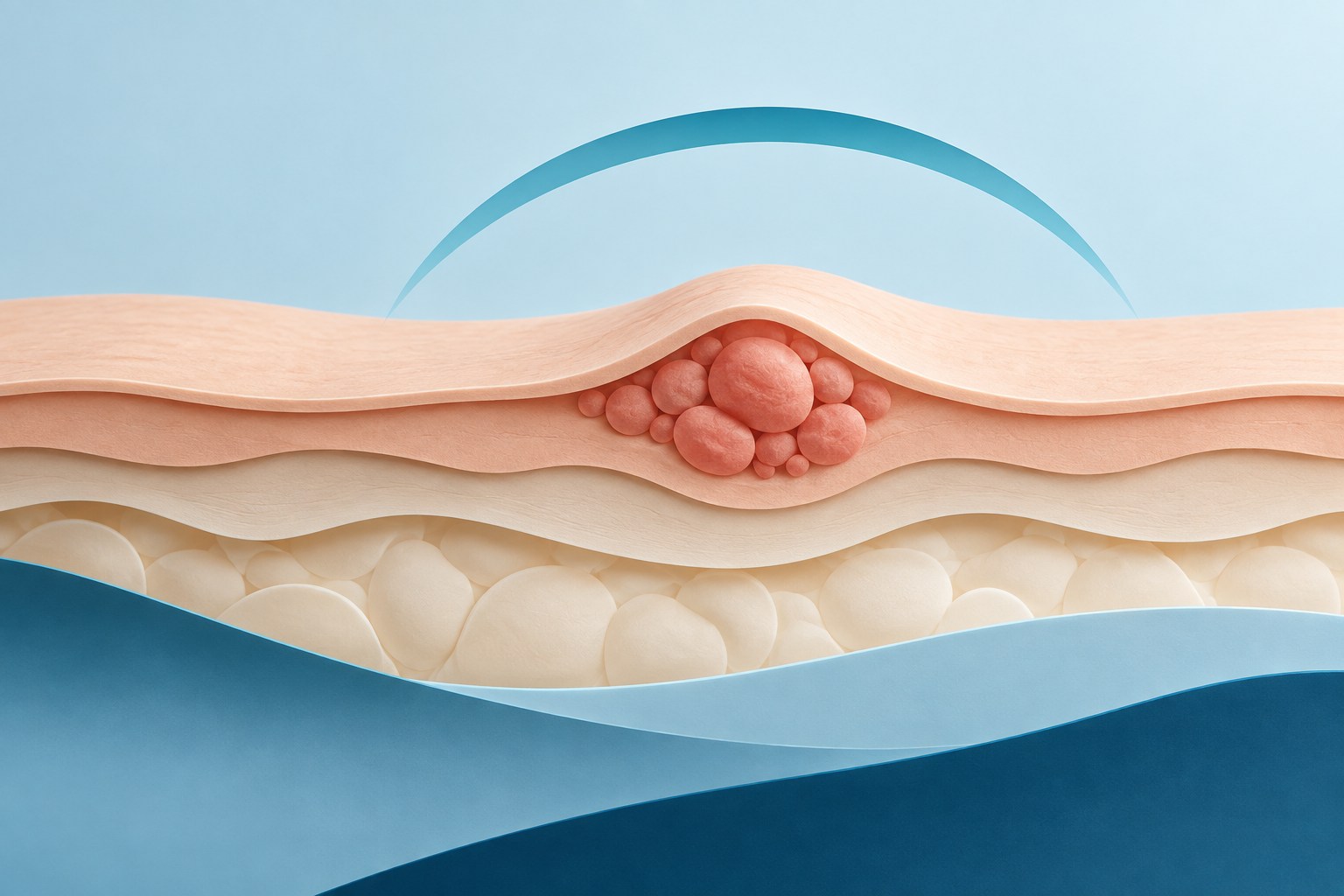
Basal cell carcinoma (BCC) develops in cells of the outer layer of skin. It commonly appears on sun-exposed areas such as the face, neck and shoulders, but can occur elsewhere. BCC usually grows slowly and rarely spreads to distant organs. Without treatment it can grow into nearby tissue, so a suspicious spot needs assessment.
Treatment depends on the BCC subtype, size, location, prior treatment and your health. At Pure Visage, a consultation can cover the diagnosis, options for removal, likely scar and any plan to repair the wound.
BEFORE YOUR VISIT
Bring the details that matter.
- Your referral and pathology or biopsy reports
- Details of previous treatments at the same site
- Current medicines, allergies and relevant medical history
- Your questions and practical concerns
Ask the team how to provide medical documents securely. Please keep online enquiries brief.
RECOGNISING A CHANGE
What might a BCC look like?
BCC can resemble a pearly or pink lump, a persistent red or scaly patch, a shiny scar-like area, or a sore that bleeds, crusts, heals and returns. Appearance alone cannot establish the diagnosis. Arrange a medical assessment for a new, changing or non-healing spot.
Where it can appear
BCC is more common on skin exposed to ultraviolet (UV) radiation, including the face, ears, neck and shoulders. It can also occur in less exposed areas.
Factors that increase risk
Cumulative UV exposure, tanning beds, fair skin that burns easily, increasing age, a previous skin cancer and a weakened immune system can increase risk. People of any skin tone can develop BCC.
When to seek advice
Show a clinician a spot that changes, bleeds, becomes sore or does not heal. A clinician may examine it closely and recommend a biopsy to confirm what it is.
TREATMENT PLANNING
The decisions to discuss.
01
Confirm the details
Your clinician examines the lesion and reviews any biopsy or pathology report. The subtype, site, size and history of recurrence help guide the treatment choice.
02
Discuss treatment options
Surgical excision is common. Some low-risk superficial BCCs may have other options. More complex or recurrent lesions can require specialist planning or referral.
03
Plan the repair
The wound may be closed with stitches or need a local flap or skin graft. Your surgeon will discuss function, the likely scar and whether the pathology result could change the plan.
OPTIONS FOR YOUR CARE
How BCC treatment may be planned.
A biopsy can confirm BCC and identify features that matter for treatment. In some cases the biopsy removes the entire lesion, but your clinician must review the pathology before deciding if more care is needed.
Standard surgical excision
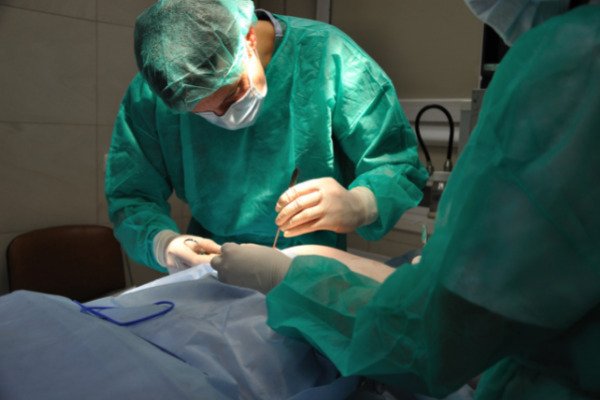
The BCC and an appropriate margin of nearby skin are removed and sent to pathology. The margin varies with the tumour and location; a fixed measurement does not suit every case. If cancer remains at an edge, further treatment may be advised.
Mohs micrographic surgery
Mohs surgery removes and examines tissue in stages and may be useful for selected high-risk or recurrent BCCs, especially where preserving healthy tissue matters. It requires a clinician and facility equipped for the technique; ask whether referral is appropriate.
Other treatments
Selected superficial BCCs may be treated with topical medicines, photodynamic therapy, cryotherapy or curettage. Radiotherapy may be considered in certain circumstances. These treatments are not suitable for every tumour; discuss their availability or referral with your treating team.
Rare advanced BCCs may need a multidisciplinary team and treatments beyond local surgery. Your team can explain if specialist oncology assessment is relevant.
AFTER YOUR PROCEDURE
Recovery is individual.
Before surgery, ask about the planned anaesthetic, whether you need someone to take you home, and any changes to medicines. Do not stop prescribed medicines unless your treating clinician instructs you. After surgery, dressings, activity limits and healing time depend on the wound and repair. Arrange to receive the pathology result and a plan for future skin checks.
Discuss risks before deciding.
Possible risks include bleeding, infection, wound-healing problems, scarring, altered sensation and a need for further treatment. BCC can recur, and another BCC can develop elsewhere. Your individual risk and follow-up plan should be discussed before treatment.
Ask which warning signs require prompt contact with your surgical team, and how to reach them after hours.
FEES & MEDICARE
Understand the likely costs before treatment.
The fee depends on the lesion, the setting, anaesthetic and whether reconstruction is needed. Ask for an itemised estimate that includes surgeon, facility, anaesthetist and pathology fees where relevant. Medicare or private health benefits may apply when eligibility criteria are met; out-of-pocket costs vary.

Read about fees and Medicare or contact the clinic to discuss a consultation and estimate.
MAKE SPACE FOR YOUR QUESTIONS
Take these questions to your consultation.
- What does the BCC subtype mean for my care?
- Why is this treatment recommended over alternatives?
- How will the wound be repaired?
- What happens if the pathology shows cancer at an edge?
Is Mohs surgery the same as standard excision?
No. Mohs surgery removes and examines tissue in stages and requires specific training and facilities. Ask whether it is relevant to your case and where it is available; this page does not imply that Pure Visage provides Mohs surgery.
Can a BCC return after treatment?
Recurrence is possible. Ask about the follow-up appropriate to your BCC and how to monitor for other skin cancers.
Is basal cell carcinoma malignant?
Yes. BCC is a skin cancer. It rarely spreads to distant parts of the body, but it can grow into and damage nearby tissue if left untreated.
Does every BCC need the same operation?
No. Treatment depends on the subtype, size, location, whether it has returned after treatment, and your circumstances. Your clinician can explain why a particular approach is recommended.
How long does BCC surgery and recovery take?
Procedure time and healing vary with the size and site of the tumour, the anaesthetic and the repair. Ask your team for an estimate specific to your plan and for written wound-care instructions.
Will Medicare cover BCC removal?
Benefits may apply to eligible medically necessary care, but the item number and out-of-pocket cost depend on the procedure and your circumstances. Request an individual written estimate before treatment.
Are these real before-and-after photographs?
No. The images on this page are AI-generated conceptual artwork. They do not depict patients, demonstrate a surgical result or replace medical assessment.
EXPLORE RELATED CARE
Understand the next part of your care.
Skin Graft Surgery
Learn why a skin graft may be recommended, how it differs from a flap and what to discuss about care of both the graft and donor site.
Skin Cancer Reconstruction
Planning the repair is part of planning your care. Explore how your surgeon balances wound closure, function and appearance after skin cancer removal.
Further reading: Healthdirect: basal cell carcinoma · Cancer Council Australia: BCC and SCC care guide · Dr Michael Kernohan’s BCC article. General information only; your treating clinician can advise on your circumstances.
PURE VISAGE · GREGORY HILLS
Let’s talk about your next step.
Contact our team about a specialist consultation. Bring your referral and available pathology reports so the discussion can focus on your individual care.
Suite 17, 13 Digitaria Drive, Gledswood Hills NSW 2557 · 1300 393 899
Explore related care
Explore our plastic surgeons · Patient Information · Referrer information